About Zakiya
I've taken the long way around.
My professional life has crossed higher education, international nonprofit work, family life, therapy, and entrepreneurship. None of it was a straight line, and none of it was wasted.
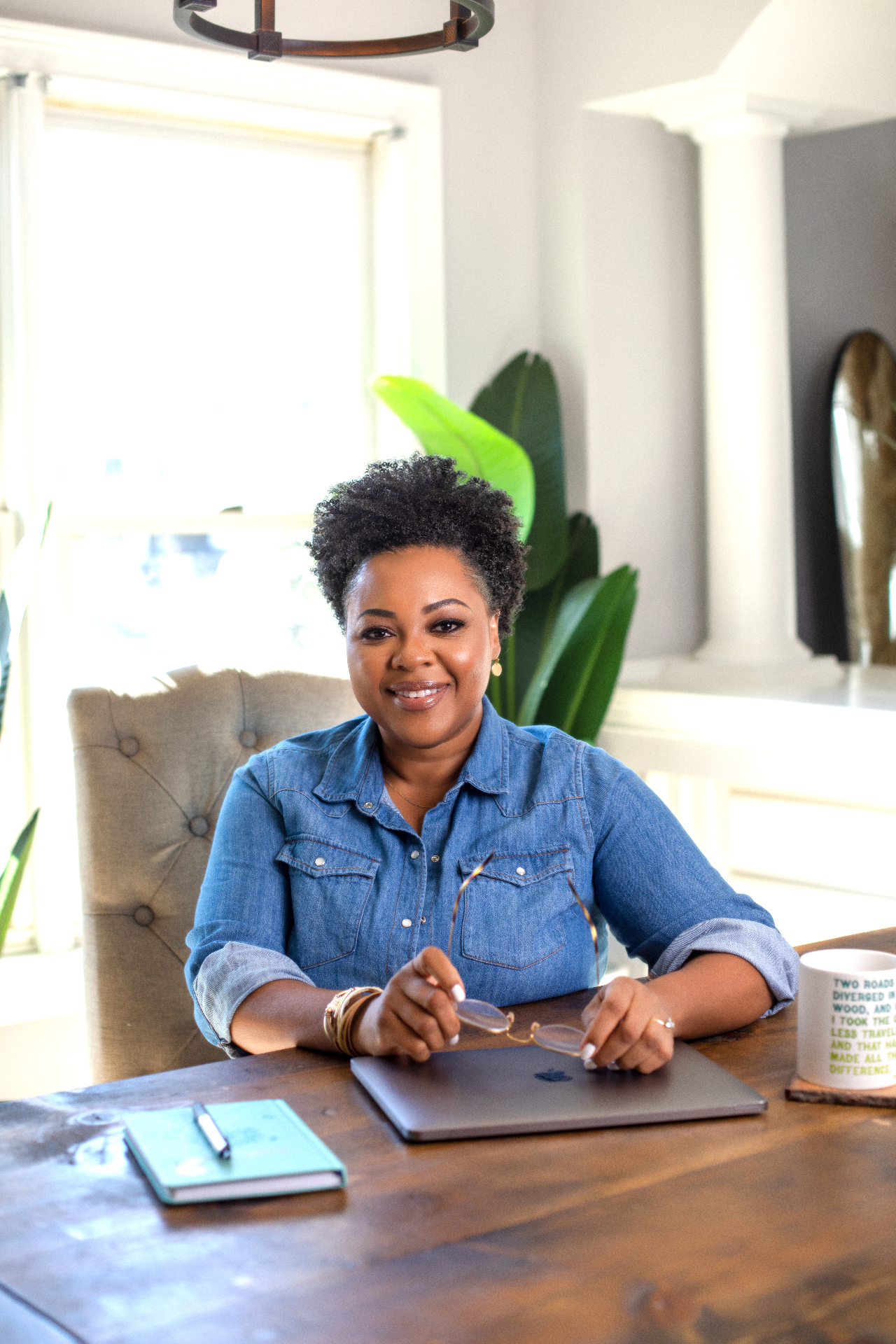
The path
I know something about building a life around one identity and then realizing it isn't the only life available.
For sixteen years I worked as a college professor and in international nonprofit work. Then I stepped away from that professional life to homeschool my children. Later, I came back to professional work through therapy. Now I am a therapist, educator, and founder.
Those chapters are not detours from each other. Each one changed how I understand roles, identity, expectations, work, relationships, and the choices people think they are allowed to make. Those experiences changed the questions I ask now: What is actually happening here? What matters? What can change? And what do you want to do next?
The question underneath a lot of my work is simple: What are your options?
People often experience their arrangements, identities, expectations, careers, family roles, and relationship patterns as fixed. Sometimes they are. Often, there are more choices available than it first appears.
Seeing a pattern is useful. Understanding where it came from can be useful. But insight is not the endpoint. The work is also about figuring out what is changeable, what is not, what matters now, and what you want to do next.
Seeing clearly is the start. What you do with what you see is the work.
How I work
We can understand how you got here without assuming you have to stay here.
I work with individuals, couples, and families. The work is collaborative, practical, and systemic: I pay attention to relationships, context, culture, and the systems around a problem, not just the individual experiencing it. It is integrative and culturally responsive, with attention to mind, body, relationships, and meaning. Together, we consider the choices and practical changes available, along with what you want to do next.
I am interested in patterns, but I don't assume that insight alone creates change. Understanding something and doing something different are related, but they are not the same thing. We work on both, without assuming there is one right answer or that I should choose it for you.
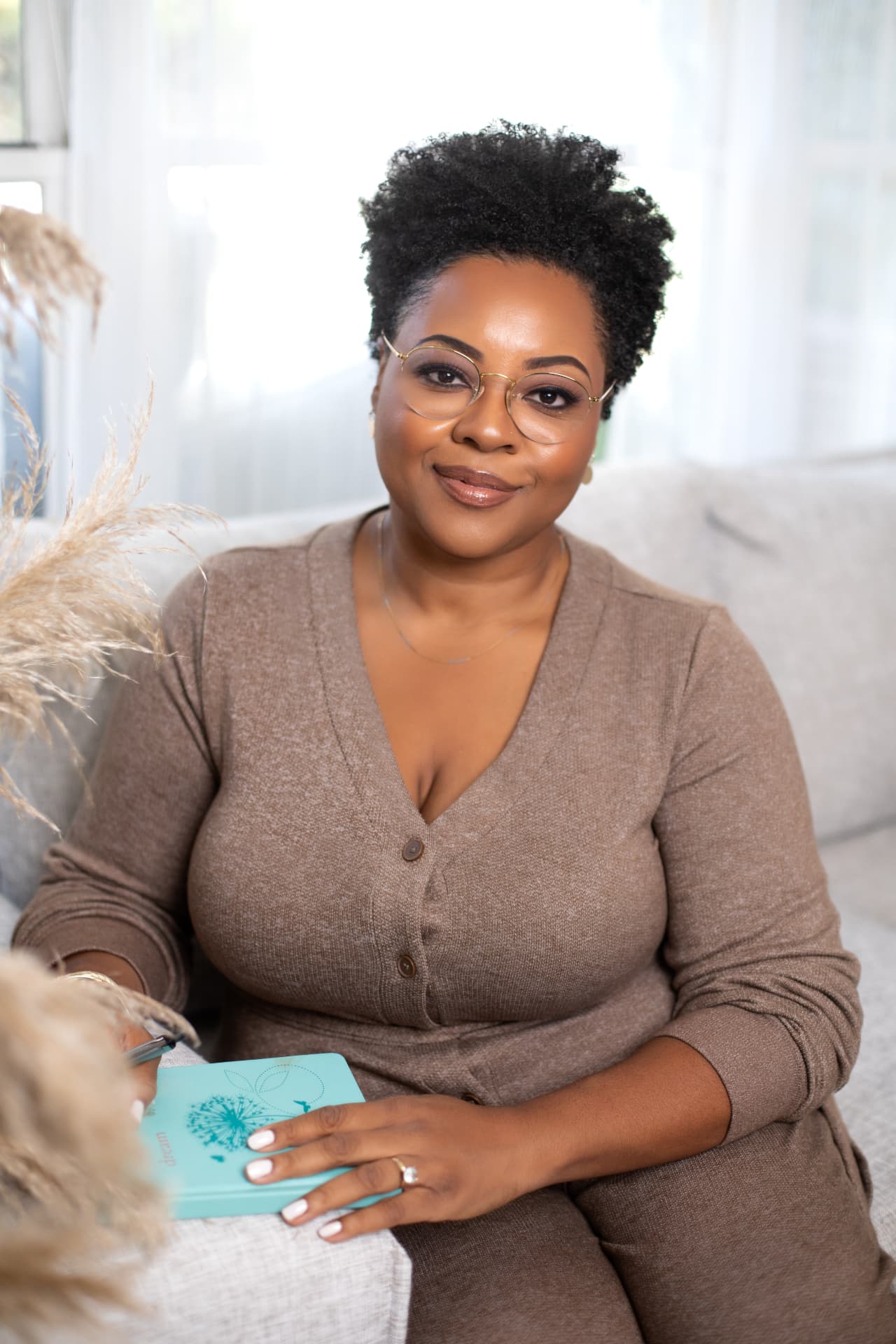
Before therapy
Therapy wasn't where I learned to ask good questions.
Long before I became a therapist, I was teaching and studying religion, philosophy, education, culture, and human development. That work taught me to pay attention to the stories people inherit, the systems they live inside, and the assumptions that can start to feel like facts.
That background never left. It shapes how I think, how I teach, the questions I ask, and how quickly I look beyond the individual to understand what else may be influencing the problem.
Education & training
Zakiya Muwwakkil Akerele
- PhD, Religion & Religious Education
- Fordham University
- Master of Family Therapy
- Mercer University School of Medicine
- EdM, International Educational Development
- Teachers College, Columbia University
- MA, Religion
- Fordham University
- BA, Philosophy & Religion
- Florida A&M University
My doctoral training is academic rather than clinical, and my clinical work is provided under the supervision of Dr. Amanda Nicholson, LMFT.
Founder
Some problems need more than a conversation.
My interest in household labor and mental load kept bringing me back to patterns that were hard to address through conversation alone. So I built Nilea, a practical tool that makes those patterns measurable, more visible, and easier for couples to discuss.
We may be a good fit if...
You want a therapist who listens carefully, notices patterns, asks direct questions, and respects the complexity of your life. You want space to understand what's happening, but you also want to do something with that understanding.
I probably won't be the right fit if you're looking for therapy that stays entirely nondirective. I won't tell you how to live your life, but I will ask questions, offer perspective, and help you consider what could actually change.